
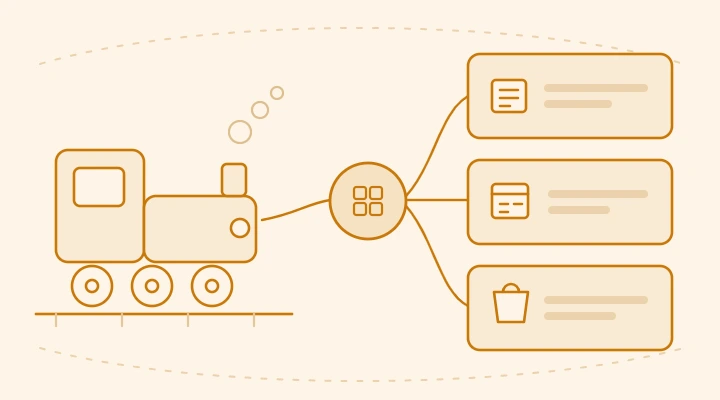
Few cultural venues run a single business. Most run three at once: a ticket desk, an online booking channel and a retail shop — each with its own catalogue, its own stock logic and, too often, its own software.
Cité du Train – Patrimoine SNCF, Europe's foremost railway museum, welcomes around 115,000 visitors a year across 20,000 m² of covered exhibition space in Mulhouse. Its three commercial pillars sat on two systems that did not talk to each other.
The challenge
The requirement was not more software. It was one system, operated confidently by a team of three managers and five front-of-house hosts, with no internal IT department.
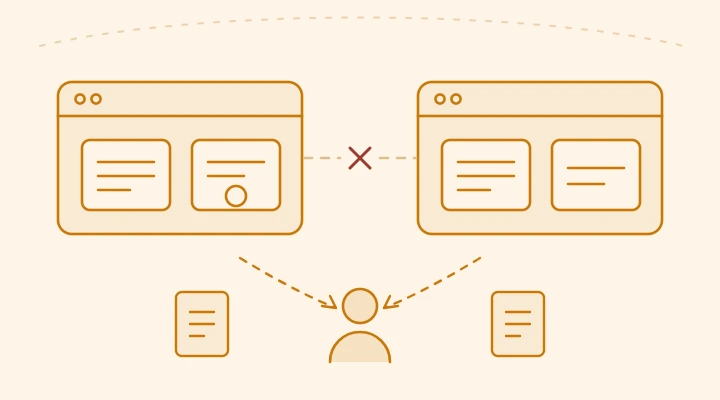
Physical ticketing and the shop on one platform, online sales on another
A daily manual reconciliation between the two, and revenue that was hard to allocate
An incumbent vendor that had stopped investing in an online sales module
POS hardware that could not be certified for Windows 11, and NF525 fiscal certification to meet
No turnstiles and no consolidated data: no reliable answer to how many people were inside today
The Odoo solution
Chef Pixel deployed Odoo as a single operational backbone across Point of Sale, Website/eCommerce, Events, Sales, Purchase, Inventory, Portal, Accounting and Knowledge — staying deliberately close to standard functionality.
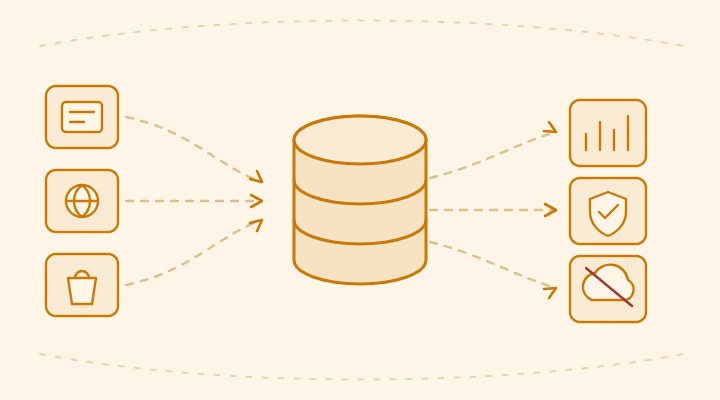
The museum's institutional website was kept as it was; only the ticketing layer was replaced and integrated. The two ticketing terminals cannot sell shop articles and the shop terminal cannot sell tickets, yet every transaction lands in the same database — which is exactly what makes the reconciliation disappear.

How it works
A visitor books online — choosing a date, a slot, then ticket types — or buys at the desk. Capacity is checked server-side and reflected live across channels. The ticket arrives by email with a QR code, scanned at the entrance from the visitor's phone on iOS or Android, including from a second remote checkpoint on busy days. Sales, stock movements and accounting entries all land in one base.

Key features and customizations
Development was delivered on Odoo 19 through two dedicated modules: a calendar slot picker with per-slot capacity and reservation expiry, live seat synchronisation across every active POS terminal, a cleaner ticket grid at the desk, holiday-voucher handling that gives no cash change, and attendance analytics that count a family pass as four people.

What changed
115 000
visitors a year
20,000 m²
of covered exhibition space
1 000+
barcoded shop references
3
POS terminals on one base
No more cross-system reconciliation. One catalogue and one stock reality for the shop. Attendance figures management can defend at board level. Sales that continue offline and synchronise when the line returns. And room for what comes next: B2B presale portals, gift cards, and a visitor-origin dashboard on the same platform.
Why Odoo suited this project
All three businesses are covered natively, so unification was a configuration exercise before it was a development one. The platform is extensible exactly where it mattered. Publisher support is included for standard questions, which suits an organisation with no IT department. And the upgrade path stays controllable: patches are batched and regression-tested in staging before production.
Planning a similar project?
Chef Pixel is an Odoo Ready Partner specialising in point of sale, e-commerce and custom Odoo development for organisations with real operational constraints.